Practice the /ʃ/ sound with these words below; it makes the "sh" sound.
"fish,"
"danish," and...
"radish."
Practice phrases by asking your child to describe the fish to you. Targets may include "big fish," "smelly fish," and "slimy fish."
Practice sentences by asking your child what the danish is topped with. Targets may include, "Icing is on the danish," "Fruit is on the danish" and "Sugar is on the danish."
Practice conversation by asking your child where fish swim. Targets may include, "Fish swim in the sea. Fish swim in the fish tank. Fish swim in the river. I saw a fish in the river once."
An easy way to cue for the /sh/ sound is to have your child say,
"Shhhhh," as if she is 'shushing' someone. If this doesn't work, then
more formal instruction may be needed. You may even want to prolong the
/sh/ sound in a word to highlight it, as
in "shhhhhherbet."
For more serious instruction, explain the sound in
this way: "Put your teeth together. Round your lips. Put your tongue
behind your teeth.
Blow." Have your child put her hand in front of her mouth so that she
can feel the air coming out.
Often times the /s/ and /sh/ sounds get
blurred. If your child is making a /s/ instead of a /sh/, this means
the tongue should be positioned further back in the mouth (think roof of
the mouth rather than behind the teeth). If needed, you can use a
tongue depressor or a spoon to gently push your child's tongue back.
Have her blow, and she should hear the difference.
A source for Pittsburgh-based carryover ideas in the field of pediatric speech-language pathology
Wednesday, January 22, 2014
/z/ in the final position
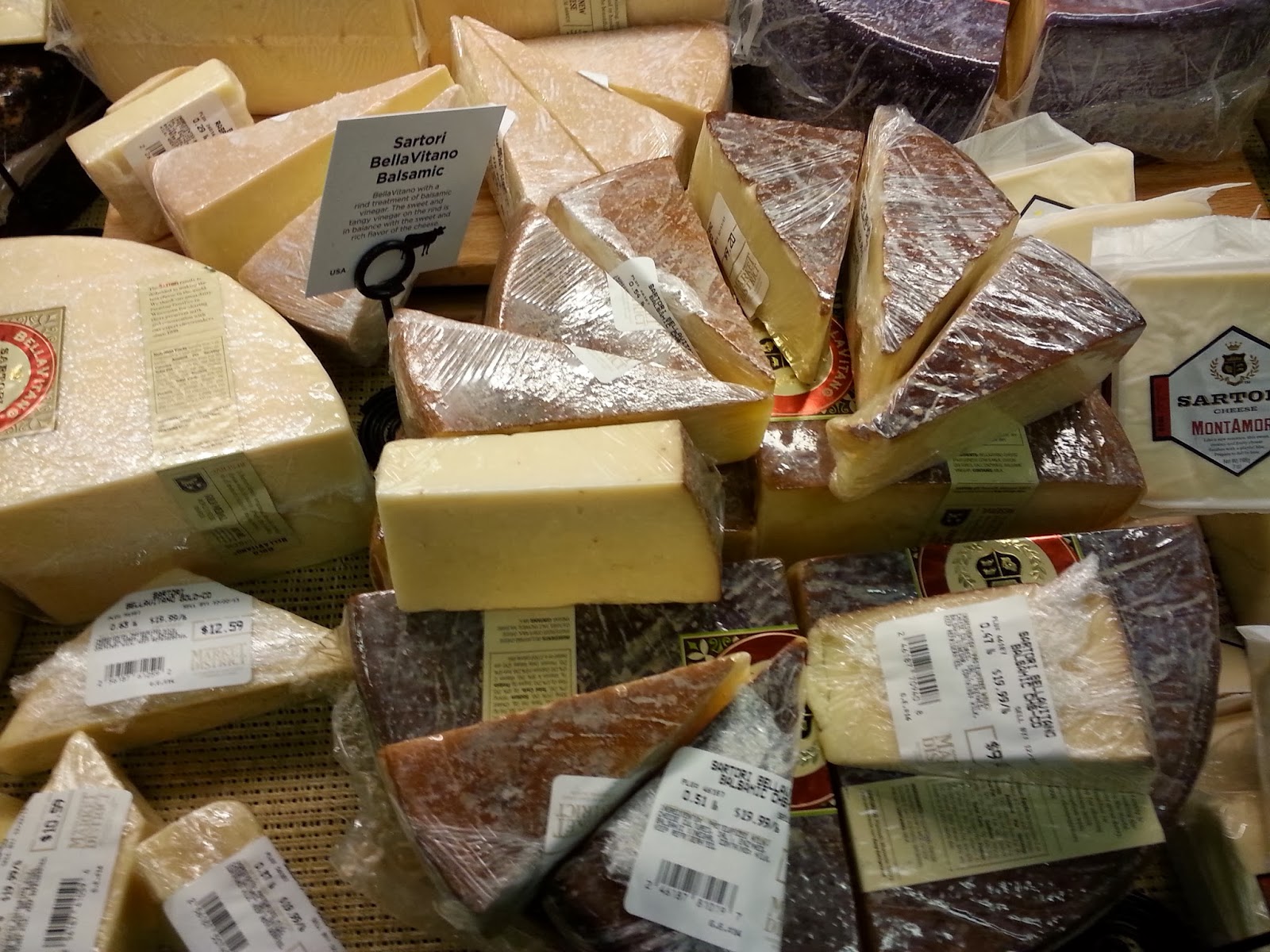
Practice the /z/ sound with these words:
"cereals,"
"cheese" and...
"cookies."
Practice phrases by asking your child to name what cereals she likes and dislikes. Targets may include "sweet cereals," "hot cereals" and "cereals with fruit."
Practice sentences by having your child tell you what foods you put cheese on. Targets may include, "You put cheese on hamburgers," "You put cheese on sandwiches," and "You put cheese on pizza."
Practice conversation by asking your child to describe the cookies in the bakery department. Targets may include, "Those cookies are fancy. They look so pretty. The cookies all have icing. The cookies look yummy."
The /z/ sound can be a fun one to teach. For a quick tip, tell your child to make the sound a bee makes, "zzzzzz." You may even want to prolong the /z/ sound in a word to highlight it, as in "zzzzzzzucchini" or "zzzzzipper: For more serious instruction, explain the sound in this way: "Put your teeth together. Put your tongue behind your teeth. Blow." Have your child put her hand in front of her mouth so that she can feel the air coming out. To differentiate /s/ and /z/, have your child feel her throat. She should be able to feel the vibration in her throat for /z/.
"cereals,"
"cheese" and...
"cookies."
Practice phrases by asking your child to name what cereals she likes and dislikes. Targets may include "sweet cereals," "hot cereals" and "cereals with fruit."
Practice sentences by having your child tell you what foods you put cheese on. Targets may include, "You put cheese on hamburgers," "You put cheese on sandwiches," and "You put cheese on pizza."
Practice conversation by asking your child to describe the cookies in the bakery department. Targets may include, "Those cookies are fancy. They look so pretty. The cookies all have icing. The cookies look yummy."
The /z/ sound can be a fun one to teach. For a quick tip, tell your child to make the sound a bee makes, "zzzzzz." You may even want to prolong the /z/ sound in a word to highlight it, as in "zzzzzzzucchini" or "zzzzzipper: For more serious instruction, explain the sound in this way: "Put your teeth together. Put your tongue behind your teeth. Blow." Have your child put her hand in front of her mouth so that she can feel the air coming out. To differentiate /s/ and /z/, have your child feel her throat. She should be able to feel the vibration in her throat for /z/.
/v/ in the final position
Practice the /v/ sound with these words:
"glove," and...
"olive."
To practice phrases, ask your child what kinds of olives there are in the salad bar. Targets may include, "a green olive," "a black olive" and "a brown olive."
To practice sentences, ask your child what foods hot foods would require a person to use a glove when handling. Targets may include, "You need a glove when baking a cake," "You need a glove when touching a pot of soup," and "You need a glove to touch a hot cookie pan."
To practice conversation, ask your child if she would eat an olive (if she never has) and what she thinks it would taste like. Targets may include, "I would eat an olive. I think it would taste like a grape. An olive looks like a grape," or "I wouldn't eat an olive. They smell funny. I don't like the orange thing in the middle of the olive." If your child likes olives, ask he what she knows about them: Where do they grow? How do they grow? What do they taste like? What do you eat them with?
Visual cues are helpful when making the /v/ sound. Instruct your child to put her top teeth on her bottom lip, and blow. Show her how to do it while you make the /v/ sound. Touch cues are also helpful You can gently push on her lower lip until it is under her top teeth. Also, have her put her hand in front of her mouth when she makes the /v/ sound so that she can feel the air coming out. A popular visual cue to remind your child how to make the sound is, "Bite and blow."
"glove," and...
"olive."
To practice phrases, ask your child what kinds of olives there are in the salad bar. Targets may include, "a green olive," "a black olive" and "a brown olive."
To practice sentences, ask your child what foods hot foods would require a person to use a glove when handling. Targets may include, "You need a glove when baking a cake," "You need a glove when touching a pot of soup," and "You need a glove to touch a hot cookie pan."
To practice conversation, ask your child if she would eat an olive (if she never has) and what she thinks it would taste like. Targets may include, "I would eat an olive. I think it would taste like a grape. An olive looks like a grape," or "I wouldn't eat an olive. They smell funny. I don't like the orange thing in the middle of the olive." If your child likes olives, ask he what she knows about them: Where do they grow? How do they grow? What do they taste like? What do you eat them with?
Visual cues are helpful when making the /v/ sound. Instruct your child to put her top teeth on her bottom lip, and blow. Show her how to do it while you make the /v/ sound. Touch cues are also helpful You can gently push on her lower lip until it is under her top teeth. Also, have her put her hand in front of her mouth when she makes the /v/ sound so that she can feel the air coming out. A popular visual cue to remind your child how to make the sound is, "Bite and blow."
/t/ in the final position
Practice the /t/ sound with these words:
"chocolate,"
"fruit," and...
"meat."
Practice phrases by asking your child what kinds of chocolate she sees. Targets may include, "chocolate bars," "boxes of chocolate," and "Hershey's chocolate."
Practice sentences by asking your child what foods are made with chocolate. Targets may include, "Candy is made with chocolate," "Cake is made with chocolate," and "Pudding is made with chocolate."
Practice conversation by asking your how to choose a good piece of fruit. Targets may include, "Pick fruit that is ripe. Pick fruit that smells good. Don't pick fruit that is too hard or too soft." For the more advanced, ask your child about whether or not she thinks it is right to eat meat, or why some people prefer not to eat meat.
Touch cues are helpful for the /t/ sound. Show your child how one's tongue taps the roof of the mouth behind the teeth. This may require some pre-teaching at home before you go to the store. You two can practice in front of a mirror. You can also use your finger to tap the ridge behind her teeth (known as the alveolar ridge) where her tongue should be. A good cue is, "Tap your tongue."
"chocolate,"
"fruit," and...
"meat."
Practice phrases by asking your child what kinds of chocolate she sees. Targets may include, "chocolate bars," "boxes of chocolate," and "Hershey's chocolate."
Practice sentences by asking your child what foods are made with chocolate. Targets may include, "Candy is made with chocolate," "Cake is made with chocolate," and "Pudding is made with chocolate."
Practice conversation by asking your how to choose a good piece of fruit. Targets may include, "Pick fruit that is ripe. Pick fruit that smells good. Don't pick fruit that is too hard or too soft." For the more advanced, ask your child about whether or not she thinks it is right to eat meat, or why some people prefer not to eat meat.
Touch cues are helpful for the /t/ sound. Show your child how one's tongue taps the roof of the mouth behind the teeth. This may require some pre-teaching at home before you go to the store. You two can practice in front of a mirror. You can also use your finger to tap the ridge behind her teeth (known as the alveolar ridge) where her tongue should be. A good cue is, "Tap your tongue."
/s/ in the final position
Practice the /s/ sound with these words:
"juice,"
"rice,"
"donuts," and...
"cupcakes."
Practice phrases by having your child tell you how may cupcakes she sees in each package. Targets may include "six cupcakes," or "twelve cupcakes" depending on the package.
Practice sentences by asking your child what kinds of juice she would drink. Targets may include, "I would drink grape juice," "I would drink cranberry juice," and "I would drink orange juice." Extend this task by asking her what juice she would not drink.
Practice conversation by having your child compare and contrast different donuts, from cake donuts to frosted donuts, from Krispy Kreme to Dunkin' Donuts. Targets may include "I like donuts with frosting. I like chocolate, vanilla and pink frosting. I don't like plain donuts. Dunkin' Donuts has the best donuts."
The /s/ sound can be a fun one to teach. For a quick tip, tell your child to make the sound a snake makes, "ssssss." You may even want to prolong the /s/ sound in a word to highlight it, as in "ssssssoup." For more serious instruction, explain the sound in this way: "Put your teeth together. Put your tongue behind your teeth. Blow." Have your child put her hand in front of her mouth so that she can feel the air coming out.
"juice,"
"rice,"
"donuts," and...
"cupcakes."
Practice phrases by having your child tell you how may cupcakes she sees in each package. Targets may include "six cupcakes," or "twelve cupcakes" depending on the package.
Practice sentences by asking your child what kinds of juice she would drink. Targets may include, "I would drink grape juice," "I would drink cranberry juice," and "I would drink orange juice." Extend this task by asking her what juice she would not drink.
Practice conversation by having your child compare and contrast different donuts, from cake donuts to frosted donuts, from Krispy Kreme to Dunkin' Donuts. Targets may include "I like donuts with frosting. I like chocolate, vanilla and pink frosting. I don't like plain donuts. Dunkin' Donuts has the best donuts."
The /s/ sound can be a fun one to teach. For a quick tip, tell your child to make the sound a snake makes, "ssssss." You may even want to prolong the /s/ sound in a word to highlight it, as in "ssssssoup." For more serious instruction, explain the sound in this way: "Put your teeth together. Put your tongue behind your teeth. Blow." Have your child put her hand in front of her mouth so that she can feel the air coming out.
Subscribe to:
Posts (Atom)